
Introduction
In a world that moves fast, leisure that both stimulates the mind and sparks joy is precious. For Dr. Hugo, a dedicated healthcare professional, the answer is found in two timeless board games: Scrabble and Chess. Far from being distractions, these classic games serve as intentional practices that sharpen cognitive skills, support mental well‑being, and provide restorative balance amid a demanding schedule.
The Joy of Words: Why Scrabble Is Brain Fuel
Vocabulary Expansion & Language Mastery
For Dr. Hugo, Scrabble is more than play—it’s a compact language workout. Each rack invites exploration of vocabulary, word formation, and pattern recognition. By testing new words and revisiting old ones, he continually strengthens verbal fluency and memory.
-
Builds vocabulary and word recall
-
Reinforces spelling and morphology (prefixes, suffixes, roots)
-
Encourages creative problem‑solving under constraints
Smart Tile Placement & Scoring Strategy
Scrabble’s thrill isn’t only in knowing words; it’s in strategic placement. Dr. Hugo focuses on board control, rack management, and maximizing multipliers for high‑value plays. The result is an engaging mix of tactics and optimization that rewards foresight as much as fluency.
-
Prioritizes board vision and defensive play
-
Times bingos and balances vowels/consonants
-
Turns language into a strategy game with measurable gains
Chess: The Timeless Training Ground for Strategy
Thinking Several Moves Ahead
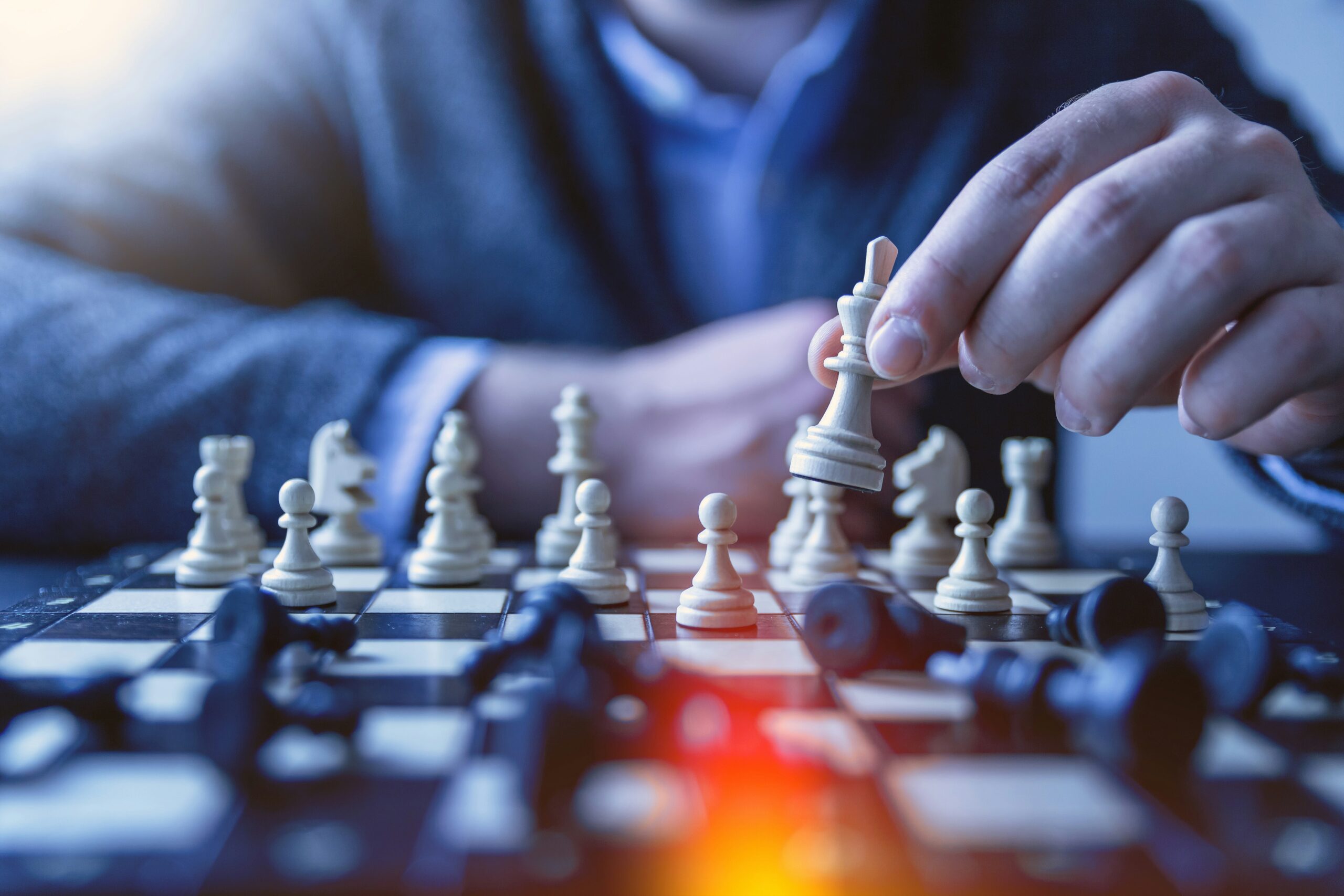
When Dr. Hugo seeks deep strategic thinking, he turns to Chess. Openings, middlegame plans, and endgame technique refine his calculation, anticipation, and decision‑making. The game trains him to evaluate trade‑offs, manage risk, and adapt to changing positions.
-
Strengthens logic, planning, and pattern recognition
-
Enhances focus and working memory
-
Develops resilient problem‑solving under pressure
Art Meets Science, Mindful Focus
Chess blends art and science. Its structured rules create space for mindfulness: a calm, sustained attention that quiets noise and sharpens presence. For Dr. Hugo, a focused session is a restorative reset that supports overall mental health.
-
Encourages mindful attention and stress reduction
-
Rewards creativity within clear constraints
-
Provides a satisfying sense of progress and mastery
Balancing Act: Making Play Part of a Busy Life
Quick Sessions That Recharge the Brain
Amid clinical responsibilities, Dr. Hugo treats Scrabble and Chess as short, high‑impact brain breaks. Even brief sessions can restore mental clarity, enabling him to return to work with renewed concentration and energy.
-
10–20‑minute games to refresh focus
-
Micro‑practice for sustained cognitive performance
-
Consistency over duration to fit a tight schedule
A Core Pillar of a Wellness Routine
These games aren’t idle hobbies—they’re pillars of Dr. Hugo’s wellness routine. Regular play supports creativity, strategic thinking, and a healthy sense of achievement, reinforcing a balanced, sustainable lifestyle.
-
Aligns with holistic well‑being
-
Builds confidence and measurable skill growth
-
Translates to better productivity beyond the board
Building Community Through Play
Friends, Colleagues, and Patients
Recognizing the benefits, Dr. Hugo invites colleagues, friends, and even patients to join. Shared games foster connection, communication, and a collaborative learning culture.
-
Strengthens team cohesion and empathy
-
Creates low‑stakes spaces for intellectual engagement
-
Models lifelong learning and curiosity
Creating a Culture of Intellectual Fun
From informal matchups to scheduled game nights, Dr. Hugo helps cultivate a community where intellectual pursuits are celebrated. The approachable nature of board games lowers barriers and invites everyone to participate.
-
Simple to start, rewarding to master
-
Inclusive, screen‑light social interaction
-
Encourages ongoing skill development
Conclusion: Play to Nourish the Mind
Dr. Hugo’s passion for Scrabble and Chess shows that leisure can be both enjoyable and mentally nourishing. In an age of constant alerts, the analog focus of board games offers rare, mindful engagement. Follow his lead: choose a game, make a move, and invest in cognitive health—one thoughtful turn at a time.